 Call
Call  Text
Text  Book Now
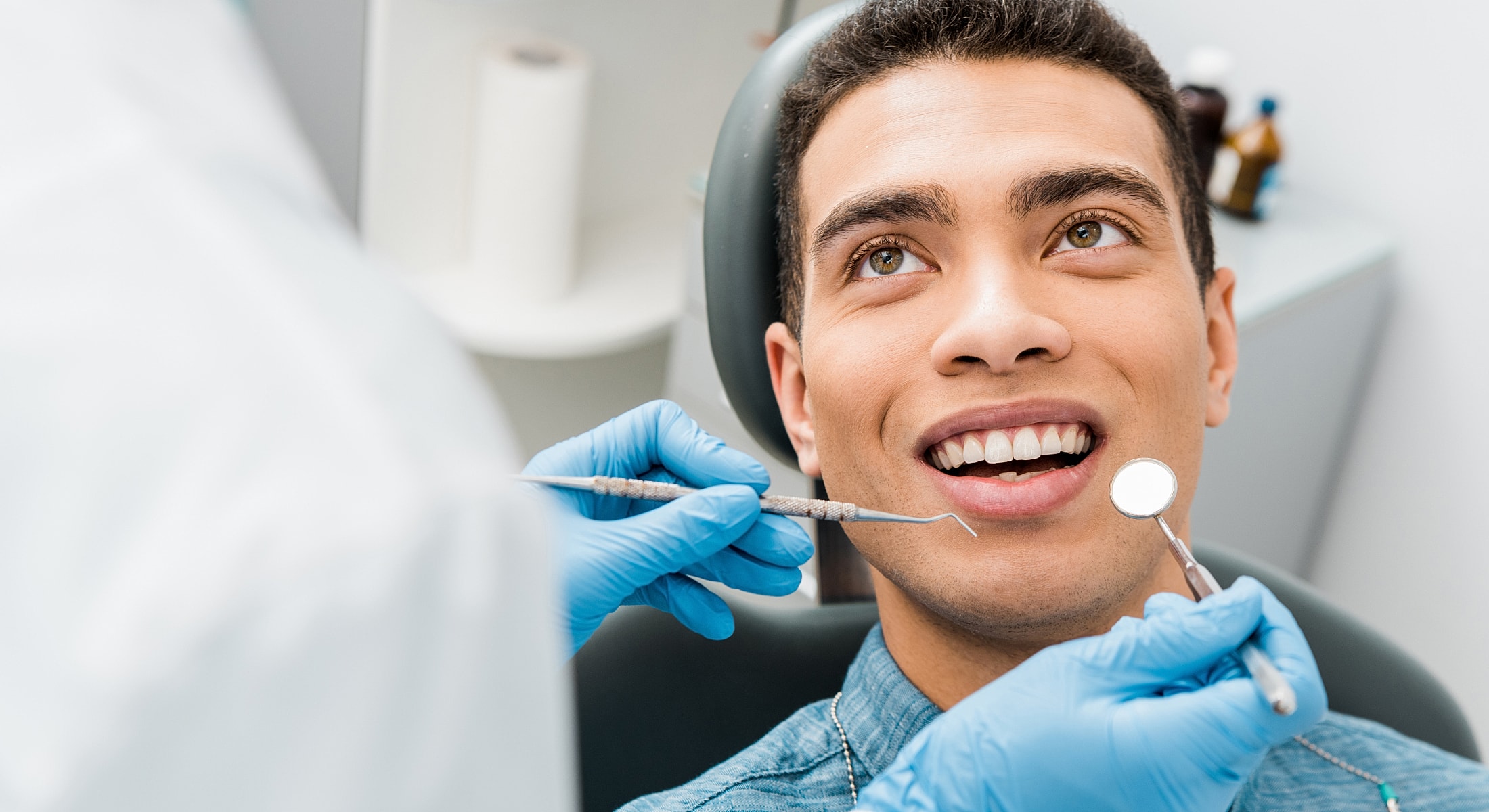
An airway evaluation looks beyond your teeth to understand how you breathe, sleep, and use the muscles of your face and jaw. In our Paramus practice, we take a functional esthetics approach, studying how the oral cavity, facial structures, airway, musculature, and neuromuscular patterns are working together to support your overall health.
People often seek an airway evaluation for concerns like snoring, mouth breathing, crowded teeth, daytime fatigue, or worries about a child’s facial development. Your visit is designed to be comfortable, unhurried, and tailored to you whether you are an adult, a teen, or bringing in a child. We carefully observe, ask thoughtful questions, and share what we see in clear language, so you can make informed decisions about next steps when you are ready.
Airway-related issues can show up in many different ways. Some are obvious, such as loud snoring or chronic mouth breathing. Others are more subtle, like restless sleep, teeth grinding, morning headaches, or feeling drowsy during the day. You may also notice forward head posture, a narrow palate, or a scalloped edge along the sides of your tongue.
Children and adults can present differently. In children, parents may notice mouth breathing, snoring, or restless sleep, and a dental visit can also check for oral tethers, open bites, or crossbites that could affect how the jaws develop. Adults may experience jaw tension, headaches, clenching, or ongoing sleep concerns that have not been fully explained. An airway evaluation does not provide a medical diagnosis, but it can help clarify how well the airway, jaw position, and facial structures are functioning, so we can guide you toward appropriate next steps.

A comprehensive airway evaluation gives you a clearer understanding of how your airway, jaw position, tongue posture, and facial structures are working together. Rather than focusing on a single tooth or symptom, we look at the system as a whole to understand what may be supporting, or interfering with, healthy breathing and comfortable function.
We carefully observe breathing patterns, facial structures, tongue posture, and dental relationships to create a clear, understandable snapshot of your current airway function. This context helps you see how your symptoms may connect to what we find during the evaluation.
By pairing your health and sleep history with our clinical findings, we can highlight patterns that may relate to restless sleep, snoring, fatigue, or difficulty focusing. This does not replace medical testing, but it can be a valuable piece of the bigger picture.
When indicated, airway findings can help inform conversations with other providers, such as your physician, a sleep specialist, or a physical therapist. Our role is to contribute precise dental and facial insights so that any care you pursue can be more coordinated and intentional.
Understanding airway function, muscle balance, and jaw position helps guide dental and orthodontic planning toward structural soundness, functional efficiency, and biological stability. An airway evaluation becomes a planning tool that supports healthier, more stable outcomes over time.
From the moment you arrive, our focus is on making you feel at ease. We begin with a detailed conversation about your health and sleep history, breathing habits, posture, and any concerns you have about your or your child’s comfort, appearance, or development. This helps us understand your goals and what you are noticing day to day.
Next, we complete a thorough clinical examination of the mouth, jaw, tongue, and facial structures. When appropriate, we may recommend dental records or imaging to better visualize the airway and supporting anatomy. Once we have gathered this information, we sit down with you to review our observations in clear, respectful language, answer questions, and outline potential next steps. The experience is collaborative, comfortable, and centered on your understanding.
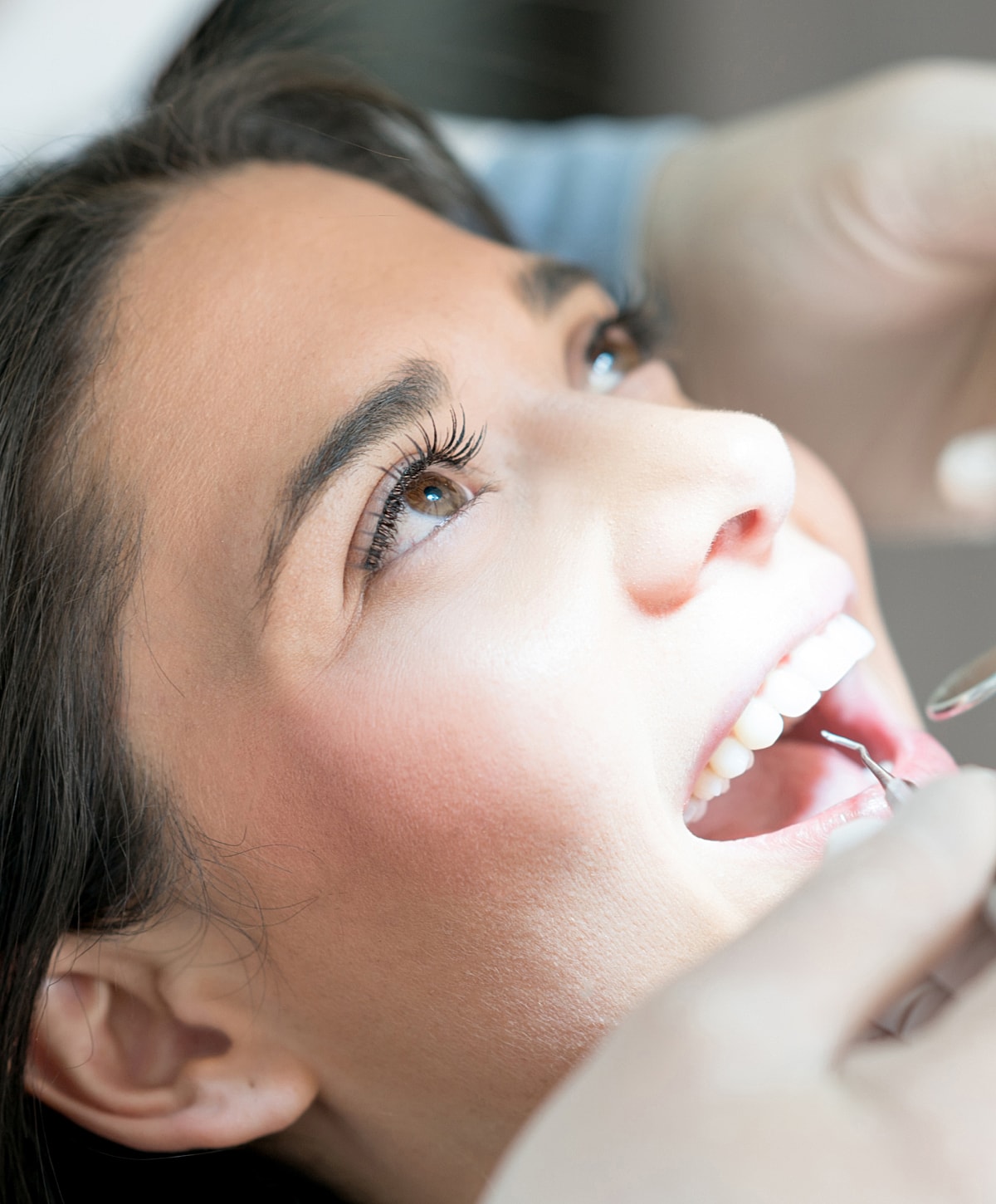
In growing children, we look closely at how the teeth and jaws are developing. Signs such as mouth breathing, snoring, or restless sleep, along with oral tethers, open bites, or crossbites, may mean a closer look is worthwhile, and an early orthodontic evaluation may be suggested when it could help. Dr. Cassandra often recommends a first orthodontic evaluation between about ages 4 and 7.

For adults, airway issues often show up as snoring, unrefreshing sleep, morning headaches, or difficulty focusing during the day. Even without a formal sleep diagnosis, interrupted breathing at night may leave you drowsy during the day and make work or school feel harder. An airway evaluation offers a structured way to explore how your dental and facial structures may be contributing to what you feel.

Jaw tension, clenching, or facial discomfort can sometimes be related to the way you breathe and how your muscles work to keep the airway open. By looking at jaw position, tongue posture, and muscle patterns together, an airway evaluation can provide valuable context for ongoing TMJ or facial concerns and help guide more thoughtful, coordinated care.

A narrow palate, a small mouth, or a bite that never feels quite stable can sometimes be linked with airway strain and tongue posture. When planning esthetic or orthodontic care, understanding these relationships helps prioritize both appearance and long-term stability. An airway evaluation can inform treatment planning so that your smile goals are supported by healthy function underneath.
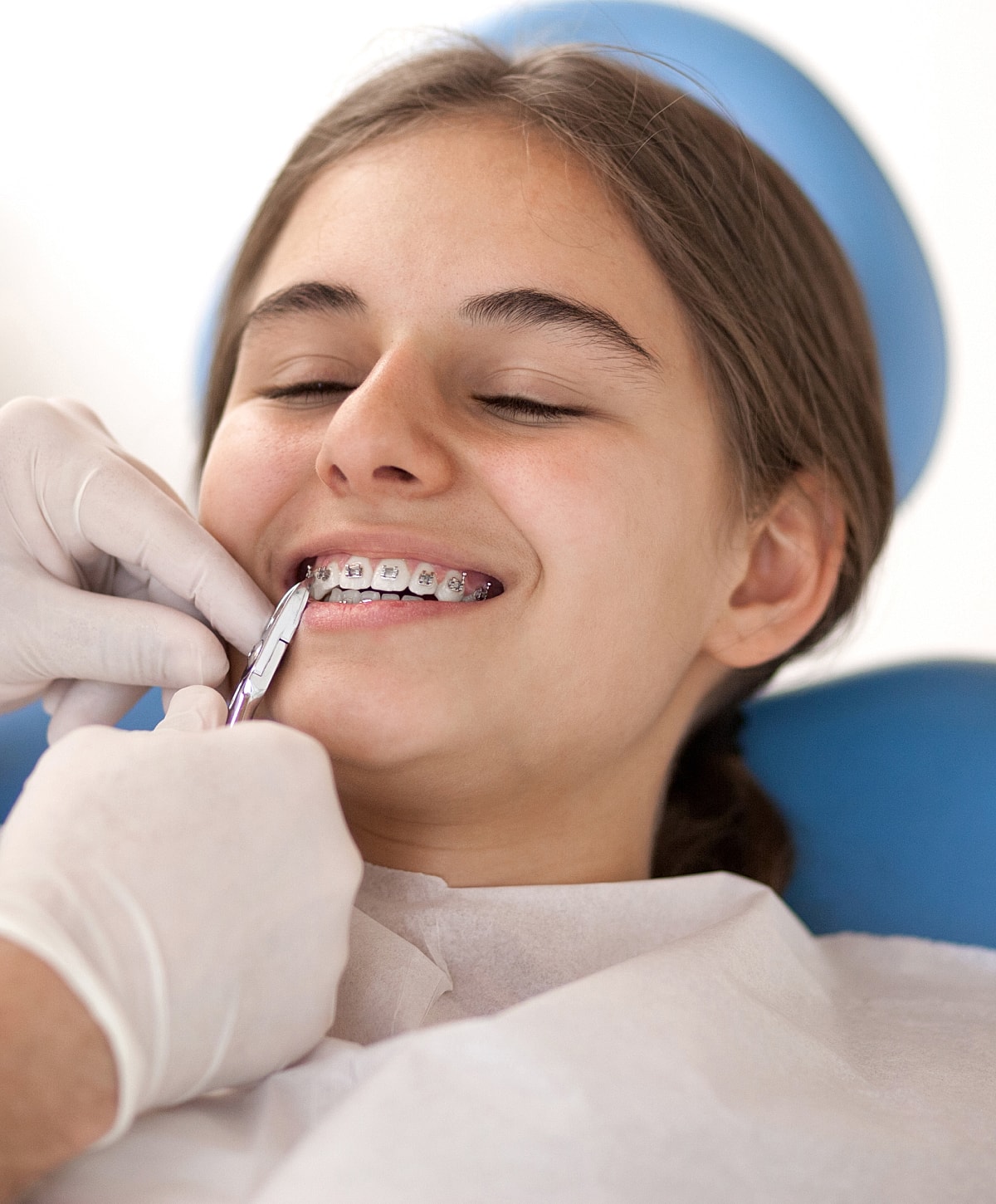
Our philosophy of functional esthetics recognizes that a beautiful smile is most sustainable when it is supported by clear breathing, balanced muscles, and a stable bite. The airway, tongue posture, jaw position, and facial structures are all interconnected. When they work together smoothly, they support not only appearance, but also comfort, posture, and overall well-being.
An airway evaluation is an assessment and planning tool that helps us understand how these systems are functioning for you right now. From there, any recommendations are personalized and thoughtfully paced. When appropriate, we may suggest observation, simple habit changes, or collaboration with other healthcare providers. The aim is to support a structurally sound, functionally efficient, and biologically stable system that can support your health and facial integrity over time.

An airway evaluation can be helpful at many points along your health or dental journey. Some people come in before major dental work, wanting to be sure the plan supports a balanced, stable bite over time. Others seek an evaluation after noticing persistent sleep concerns, mouth breathing, or changes in facial posture that have not been fully explained.
Children, teens, and adults can all benefit from understanding how their airway, bite, and facial structures are working together. Whether you are a new patient or have been in care for years, the goal is not to create urgency, but to provide clear information and collaborative guidance. Together, we can decide if now is the right time to take a closer look or simply begin monitoring over time.

Once your evaluation is complete, we take time to walk you through the findings in a clear, organized way. Using visual aids such as photos, models, or imaging when appropriate, we explain what we observed in your airway, jaw position, tongue posture, and facial structures, and how these pieces may relate to your symptoms or concerns.
Any next steps are tailored to your specific situation and goals. Recommendations may include simple monitoring, lifestyle or habit suggestions, or referrals to other healthcare professionals when that would add value. Throughout this process, our focus remains on supporting long-term breathing, sleep, and facial stability, so you can move forward with confidence and clarity about your options.

Conversations about breathing, sleep, and facial changes can feel personal. In our Paramus office, we create a setting where you can share your story, ask questions, and feel fully heard. Appointments are structured to allow time for discussion, education, and reflection, not just a quick exam.
If you are wondering whether an airway evaluation might be appropriate for you or your child, we invite you to reach out. Our team is happy to talk through your questions and help you decide on the pace and type of evaluation that feels right. You can contact our office by phone or through our online form to request a visit and begin a thoughtful, informed conversation about your breathing and long-term health.
An airway evaluation typically includes a detailed conversation about your health, sleep, and breathing history, followed by a thorough examination of your mouth, teeth, jaw joints, tongue posture, and facial structures. When appropriate, we may recommend dental records or imaging to better understand the size and shape of the airway and how the jaws relate to it. We then review all of this information with you, highlight key findings, and discuss possible next steps or monitoring in a way that is easy to understand.
Because we take a comprehensive, whole-face approach, airway evaluations are scheduled with enough time for both examination and conversation. While exact timing varies, a comprehensive exam that includes an airway assessment typically takes about 60 to 90 minutes, which leaves time for questions and a clear review of what we see. When you schedule, our team can give you a more specific time estimate based on your situation.
Yes. Children can benefit from airway evaluation once parents or caregivers begin noticing concerns such as mouth breathing, snoring, restless sleep, or questions about jaw growth and tooth alignment. Dr. Cassandra recommends that children with signs of sleep disordered breathing or oral tethers be seen by a dentist as soon as these are noticed, and an early orthodontic evaluation is often suggested between about ages 4 and 7. We adjust how we examine and communicate based on your child’s developmental stage, so we can guide you on monitoring or early support when appropriate.
Not every patient needs the same type of records. During your visit, we will first gather your history and perform a clinical examination. If additional information would be helpful, we may discuss dental records or imaging options that allow us to visualize the airway and supporting structures in more detail. Any recommendations are made thoughtfully, with an explanation of why they are being suggested and how they may contribute to a clearer understanding of your airway health.
Airway findings can provide important context for restorative, esthetic, and orthodontic care. By understanding how breathing, tongue posture, and muscle balance interact with jaw position and tooth alignment, we can help plan dental treatment that supports both function and appearance over time. This does not replace medical care, but it adds a valuable layer of information for more coordinated, stable dental planning.
Before your appointment, it can be helpful to notice and write down any breathing or sleep patterns you are concerned about, including snoring, daytime fatigue, or changes in posture or facial appearance. If you have prior dental or medical records that feel relevant, you are welcome to bring them. Most importantly, come ready to share your questions and goals. We will guide you through the rest and make sure you feel comfortable throughout the process.
After we review your findings together, we will outline the key points from your evaluation and discuss possible next steps tailored to your needs. This may include simple monitoring, suggestions you can implement at home, or guidance about coordinating with other healthcare professionals. Our intention is for you to leave with a clear understanding of what we found and how you might move forward, without pressure to make decisions before you are ready.


(201) 261-7645
Mon & Wed: 8 AM - 5 PM
Tues & Thurs: 10 AM - 6 PM
Friday: 9 AM - 3 PM
First Saturday of Month: 8 AM - 1 PM


