 Call
Call  Text
Text  Book Now
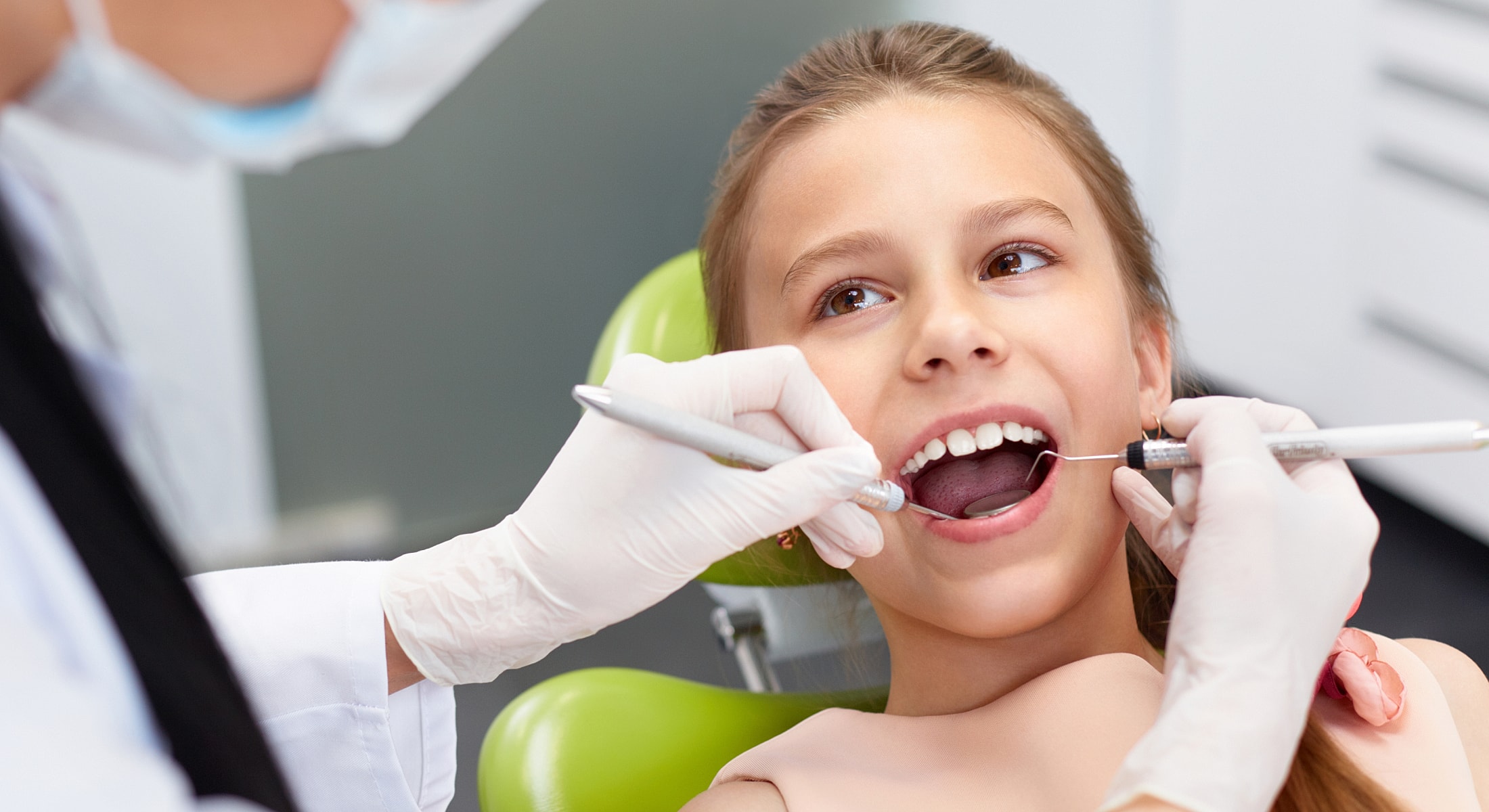
A tongue tie is a restriction of the small band of tissue under the tongue that can limit how the tongue moves. Tongue and lip ties, also called oral tethers, can be present from birth, and a restricted tongue may make speech and swallowing take extra effort and, in growing children, may interfere with how the jaws develop. At our Paramus, NJ office, we look beyond a quick visual check and carefully evaluate how the tongue, lips, jaw, airway, and posture work together as a system.
Guided by a philosophy of functional esthetics, our goal is to support an oral environment that is structurally sound, functionally efficient, and biologically stable over time. Every recommendation is individualized and conservative, taking into account age, goals, symptoms, and overall health. We focus on clear education and shared decision-making, without one-size-fits-all timelines or promises.
The tongue is anchored to the floor of the mouth by a small tissue band called the lingual frenulum. When this tissue is tight, short, or inelastic, the tongue may not lift, extend, or move freely. In older children and adults, a restricted tongue may lead the surrounding muscles to compensate, which can show up as mouth tension, worn front teeth, or speech and swallowing that take extra effort.
In growing children, oral tethers are one of the things that could interfere with proper skeletal development, which is why Dr. Cassandra recommends looking for them early. Our team considers how tongue function relates to breathing patterns, posture, neuromuscular balance, and overall facial harmony. This broader, function-first view helps us support systemic health, longevity, and facial integrity rather than focusing on appearance alone.

Tongue tie does not look the same for everyone. Some people have an obvious visible restriction, while others have more subtle signs that show up in how they chew, swallow, or speak. Our role is to listen to your concerns, observe patterns, and connect symptoms to overall function, rather than relying on a single measurement or photo.

Dr. Cassandra recommends that newborns be checked for lip and tongue ties, which can be done by a pediatrician and/or a dentist. If a tie is suspected, we recommend having it evaluated by a dentist as soon as it is noticed, so you can understand what is happening and what, if anything, to do next.
In children, a restricted tongue may make speech or swallowing take extra effort. We look for oral tethers during early dental visits, along with open bites or crossbites that could affect how the jaws develop. Our evaluation looks at how the tongue, lips, cheeks, and jaw work together during speech, chewing, and swallowing.
Teens and adults with a restricted tongue may notice mouth tension, worn front teeth, or speech and swallowing that take extra effort, and oral tethers can be an overlooked factor in jaw pain and neck tension. We explore how these concerns relate to airway support, muscle balance, and facial comfort before discussing any options.
When you visit us for a tongue tie consultation, we begin by listening. We review medical and dental history, speech or swallowing concerns, sleep and breathing patterns, and any prior evaluations. This conversation guides a focused, respectful examination that looks beyond the tongue alone to the lips, jaw, palate, airway, and overall oral posture.
During the exam, we assess tongue range of motion, how the tongue rests, and how it participates in chewing, swallowing, and speaking. We also consider breathing patterns and facial and neck muscle activity. When appropriate, we may coordinate with your pediatrician or other healthcare providers to build a more complete understanding. Every finding is explained in clear, accessible language, and we discuss options together. Not every tight frenulum causes problems, and observation is often a reasonable first step.

Speech involves precise coordination of the tongue with the lips, jaw, and airflow. A restricted tongue can make speech and swallowing take extra effort, so we look at tongue mobility, oral posture, and breathing patterns as part of the bigger picture. Our goal is to understand how any tongue tie concerns fit into your overall function rather than looking at them in isolation.

The way the tongue rests and moves can influence nasal versus mouth breathing and the space available in the oral cavity. In our assessment, we pay close attention to how tongue posture, jaw position, and facial structures support the airway. Tongue posture and oral tethers can be part of a broader airway picture, and Dr. Cassandra recommends that children with tethers or signs of sleep disordered breathing be seen by a dentist as soon as these are noticed.

As children grow, we look at how the teeth and jaws are developing, including whether oral tethers, open bites, or crossbites could affect proper skeletal development. We integrate tongue tie evaluation into a broader look at facial balance, bite, and neuromuscular patterns. Our recommendations may involve observation or an early orthodontic evaluation, often suggested between about ages 4 and 7, as one piece of a long-term plan.

If a tongue tie appears to be affecting function, we will talk through what we found and the options and next steps that make sense for you or your child. Our recommendations are based on how the tongue and surrounding structures work together, not on appearance alone or on a single symptom.
Every plan is individualized, and we will review potential benefits, risks, and alternatives of any option in a way that allows you to make an informed, comfortable choice for yourself or your child.


From your first contact with our Paramus office, our focus is on understanding your goals and helping you feel informed. Before your visit, our team gathers background information and answers practical questions so you know what to bring and how the appointment will flow. During the visit, we move at a pace that respects you or your child, explaining what we are looking at and pausing as needed. Comfort is a priority, and we use techniques appropriate to age and individual needs to help make the experience as smooth as reasonably possible.
After your evaluation, we explain our findings in clear, everyday language and outline what next steps, if any, may be helpful. Our team remains available for questions, and we emphasize gradual, sustainable improvement in function over time rather than quick fixes or guarantees.
Our approach to tongue tie is rooted in the belief that a healthy mouth is about much more than straight teeth. We look at how breathing, chewing, swallowing, and speaking work together, and how muscle balance and tongue posture influence the airway and facial structures. This functional esthetics philosophy guides every evaluation and recommendation, helping us support not only comfort today but also long-term stability and integrity.
For many families, tongue tie evaluation becomes part of a broader journey toward healthier habits and more efficient function. We value collaboration with other professionals, careful diagnosis, and clear communication about options. Whether you are seeking help for an infant, a growing child, or yourself, our goal is to provide care that respects the whole person and aligns with your values and long-term health priorities.

Families often reach out when they notice speech or swallowing concerns, mouth breathing, jaw tension, or questions about jaw development. An evaluation can be helpful any time you wonder whether the tongue and surrounding structures are working in harmony. During your visit, we consider age, symptoms, goals, medical and dental history, and overall health. Importantly, not every tight frenulum causes problems, and observation may be the most appropriate choice.
Investment and coverage for tongue tie care can vary depending on the specifics of your situation. Our team is happy to review estimated fees with you before treatment and discuss available payment options. Because each case is unique, detailed information about cost and potential insurance benefits is best handled directly with our office. If you are unsure whether an evaluation or treatment makes sense, we welcome your call or message so we can talk through your questions together.
You do not have to sort through tongue tie information on your own. Whether your concerns center around speech, swallowing, breathing, sleep, or jaw development, we are here to listen, evaluate thoughtfully, and share our perspective in a clear, caring way. Our Paramus office welcomes patients of all ages, from young children to adults, from the local community and surrounding areas.
If you are wondering whether a tongue tie may be part of what you or your child are experiencing, we invite you to reach out to our team. We will help you schedule a consultation, answer initial questions, and partner with you in deciding the next right steps for your family.
Dr. Cassandra recommends that newborns be checked for lip and tongue ties by a pediatrician and/or a dentist, and that young children be looked at for oral tethers during early dental visits. In older children, speech or swallowing that takes extra effort may prompt a closer look. If you notice a possible tie, it is best to have it evaluated as soon as it is noticed, and a comprehensive functional evaluation helps put any signs in context.
Not necessarily. A tight frenulum does not always cause problems. If a tie does appear to be affecting function, we will talk through what we found, along with the potential benefits, risks, and alternatives of any options, and observation is often a reasonable first step.
During an evaluation, we start by learning about your history, goals, and any prior assessments. We then perform an exam that looks at the tongue’s range of motion, how it rests and moves during chewing, swallowing, and speaking, and how the lips, jaw, palate, and airway contribute. We may also observe posture and breathing patterns. Afterward, we review our findings in straightforward language and talk through possible approaches so you can decide what feels appropriate for you or your child.
Yes, adults can be evaluated. Oral tethers and tongue posture are a commonly overlooked factor in jaw pain and TMJ concerns, so Dr. Cassandra considers them as part of a broader look at the jaw, bite, airway, and posture. Evaluation and planning for adults follow the same functional principles as for younger patients, taking into account long-standing habits, posture, and airway support.
Tongue posture and function are closely connected to the bite, the jaws, and the airway, especially during sleep. Looking for tongue ties is one piece of a broader approach that may also include an early orthodontic evaluation and attention to the bite and airway as your child grows. Our goal is to support balanced growth and stable, efficient function, not to alter appearance for its own sake.


(201) 261-7645
Mon & Wed: 8 AM - 5 PM
Tues & Thurs: 10 AM - 6 PM
Friday: 9 AM - 3 PM
First Saturday of Month: 8 AM - 1 PM


