 Call
Call  Text
Text  Book Now

Sleep disordered breathing is a term for patterns of breathing during sleep that are not as open, smooth, or efficient as they should be. It can include loud snoring, mouth breathing, pauses in breathing, or restless, unrefreshing sleep. It is more than an annoyance, because the way you or your child breathes at night can quietly influence daytime energy, focus, mood, growth, and long-term health.
Our practice in Paramus, NJ takes a functional, airway-focused and esthetic approach. We look beyond teeth alone to the oral cavity, facial structures, airway, musculature, and neuromuscular patterns. When these are structurally sound and functionally efficient, they can better support systemic health, longevity, and facial integrity over time. This page is for adults and for parents seeking clear, calm information about sleep disordered breathing. A thorough evaluation is the first step in understanding what is happening and whether airway-centered care may be appropriate for you or your child.
Sleep disordered breathing can show up in subtle ways. In adults, common signs can include loud or habitual snoring, gasping or pauses in breathing during sleep (often noticed by a partner), mouth breathing, dry mouth in the morning, teeth grinding, morning headaches, daytime fatigue, trouble focusing, and feeling unrefreshed even after a full night in bed.
In children and teens, the picture can look different. Mouth breathing, snoring, restless or noisy sleep, frequent waking, bedwetting, difficulty waking in the morning, hyperactivity, attention challenges, irritability, or slower growth can all be clues that breathing at night may not be ideal. These examples are for general education only and are not a diagnosis. Our role is to help connect breathing patterns and sleep quality with overall wellbeing, so you can decide whether a more detailed airway-focused evaluation in Paramus is the right next step.


Lasting improvement with sleep disordered breathing often begins with seeing the full picture. Rather than focusing on a single symptom, we look at how structure, function, and everyday habits work together. This helps us understand what may be contributing to interrupted or inefficient breathing at night and how to support healthier patterns.
We begin with a detailed look at the airway, jaws, bite, tongue posture, oral cavity, and facial structures. This helps identify patterns such as narrow arches, crowding, mouth breathing, or tongue position that may influence airflow during sleep. The goal is to understand why breathing may be challenged, not just to label a symptom.
Functional esthetics means that how your smile and face look is closely tied to how they function. By considering jaw position, arch form, and facial balance with the airway in mind, we can explore options that support both appearance and the potential for more open, efficient breathing patterns over time.
No two patients are alike. After evaluation, we discuss findings in clear language and outline possible next steps that fit your age, health history, and priorities. When helpful, we may coordinate with other healthcare providers so that dental, behavioral, and medical perspectives can work together to support your sleep and breathing.
Breathing, posture, and muscle use are habits as much as structures. As appropriate, we provide guidance and follow-up to help new neuromuscular and oral habits stabilize. The aim is to support changes that are not just temporary, but that contribute to long-term comfort, function, and facial integrity.
Your first visit is designed to be comfortable, thorough, and informative. We begin with a detailed conversation about your health and sleep history, current concerns, and goals. For children, this often includes discussing development, school performance, behavioral patterns, and any observations you have made about their sleep or breathing.
We then perform a clinical examination of the oral cavity, bite, tongue posture, and facial structures, paying close attention to signs of mouth breathing, narrow arches, or other features that may influence the airway. As appropriate, we may recommend imaging or airway-focused assessments described in general terms at your visit. Throughout the process, there is plenty of time to ask questions. At the end, you receive personalized recommendations, which may include dental-focused care, guidance around oral and neuromuscular habits, or referrals to medical providers for additional testing or complementary evaluation when indicated.

For many adults, sleep disordered breathing shows up as snoring, fragmented sleep, trouble concentrating, or simply feeling worn out despite going to bed on time. Airway-focused dental care in Paramus can help explore whether jaw position, bite, tongue posture, or oral habits are contributing to reduced airflow at night. By considering both functional esthetics and breathing, we aim to support clearer thinking during the day, more comfortable sleep, and long-term systemic wellbeing, recognizing that individual needs and responses vary.

In children and teens, disrupted sleep may look less like “sleepiness” and more like hyperactivity, difficulty focusing, mood changes, or slower growth. Mouth breathing, crowded teeth, and narrow arches can be outward signs that the airway may be under strain. Our functional esthetics approach looks at how jaw development, palate width, and tongue posture interact with the airway. The goal is to support healthier breathing patterns and balanced facial growth during these critical years, always with age-appropriate, individualized planning.
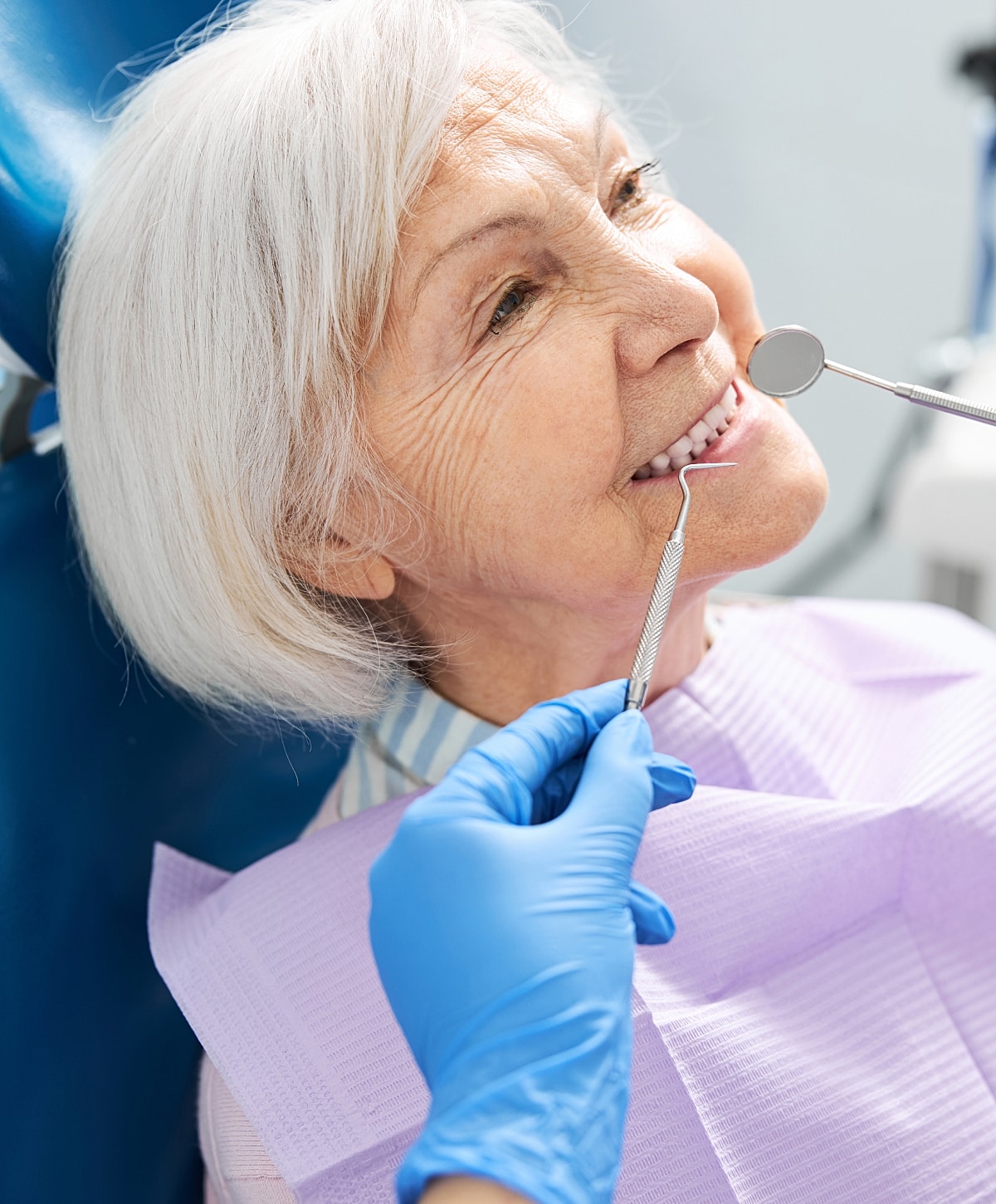
Features such as narrow dental arches, a recessed jaw, or chronic mouth breathing can influence both facial appearance and how air moves during sleep. With a functional esthetics perspective, we pay attention to how supporting the airway can also support facial harmony and a naturally balanced profile over time. Rather than chasing cosmetic changes alone, we focus on strategies that consider long-term structure, comfort, and breathing efficiency together.

Sleep is when the body repairs, regulates, and resets. When breathing is repeatedly interrupted, it can place strain on many systems over time. By examining the airway, jaws, bite, and oral habits through a functional lens, we aim to support more restorative sleep that aligns with long-term health, energy, and resilience. Each person’s situation is unique, so we use evaluation findings to help you understand your own risk factors and potential paths forward.

The space available for air to move during sleep is shaped by many factors, including palate width, jaw position, and tongue posture. A narrow upper arch, retruded jaw, or low tongue posture can reduce the room available for the airway, especially when muscles relax at night. Whether in a growing child or an adult, these structural relationships can influence how easily air flows with each breath.
We look closely at nasal versus mouth breathing, lip seal, and how the tongue rests and functions throughout the day. When the oral environment is structurally sound and functionally efficient, it can encourage more stable neuromuscular patterns that support open, consistent airflow over time. Our focus is on supporting longevity, energy, and facial harmony by aligning structure and function as well as possible for each individual. Because every person is different, evaluation is essential to understand your specific needs and to discuss realistic expectations together.

Once we understand your airway, oral structures, and breathing patterns, we can talk through potential treatment directions in clear, practical terms. Depending on your age and findings, care may include dental interventions designed to support airway space and jaw position, as well as guidance around oral habits, tongue posture, and other neuromuscular patterns that can influence breathing during sleep.
Every treatment plan is individualized. Some people may primarily benefit from dental-focused care, while others may be best served by combining dental treatment with evaluations or therapies from medical or other allied providers. Our role is to help you understand your options, coordinate when appropriate, and provide a caring, professional environment that supports better sleep, easier breathing, and long-term health to the extent possible for your unique situation.

Many families and adults decide to seek an evaluation when snoring, restless sleep, or concerns about breathing have been present for a while, or when a child’s behavior, attention, or facial development raises questions. If you find yourself wondering whether night-time breathing is affecting your or your child’s daytime life, an airway-focused assessment can offer clarity.
Before your visit, it can be helpful to note sleep habits, daytime energy levels, or any patterns you have observed. We will review these together and outline a general roadmap so you know what to expect. Care is typically a process that unfolds over time, with periodic follow-ups to monitor changes and support long-term stability. If you have questions or would like to explore whether an evaluation is right for you, you are welcome to contact our Paramus office to start the conversation.
Addressing sleep disordered breathing is about more than quieter nights. It is about taking a thoughtful look at how your airway, teeth, jaws, muscles, and facial structures work together, and how that affects your overall health and the way you feel each day. Our functional esthetics focus means we pay attention to both form and function, with an eye toward long-term facial integrity and systemic wellbeing.
If you live in Paramus, NJ or the surrounding communities and are seeking calm, informed guidance about sleep disordered breathing, we welcome you to connect with our team. We offer thorough evaluations, clear explanations, and individualized planning within a warm, professional setting. When you are ready, reach out to ask questions or schedule a consultation so we can explore the next best steps for you or your child together.
Sleep disordered breathing describes a spectrum of breathing disturbances during sleep, ranging from frequent snoring to more significant reductions or pauses in airflow. While occasional soft snoring can sometimes be harmless, louder or habitual snoring, gasping, or labored breathing may indicate that the airway is not staying as open as it should. Our role is to evaluate the structures and habits that influence your airway, so you can understand whether your snoring or other symptoms may be part of a broader breathing pattern that deserves attention.
An airway-focused dentist evaluates how the teeth, jaws, tongue, palate, and facial structures affect the space available for air to move, especially at night. Crowding, narrow arches, certain bite relationships, and mouth breathing can all influence the airway. By addressing these factors through appropriate dental interventions and by guiding oral and neuromuscular habits, we may help support more efficient airflow. We also collaborate with medical providers when diagnostic testing or additional treatment outside of dentistry is appropriate.
In children, common signs can include mouth breathing, habitual snoring, noisy or restless sleep, frequent night waking, bedwetting, difficulty waking in the morning, hyperactivity, attention challenges, or slower-than-expected growth. You may also notice changes in facial development, such as a narrow upper arch or crowded teeth. None of these signs alone provide a diagnosis, but together they can signal that an airway-focused evaluation would be helpful. At our Paramus office, we take time to review your observations and examine your child in a calm, age-appropriate way.
During an evaluation, we review your medical and sleep history, discuss current symptoms or concerns, and perform a detailed examination of the oral cavity, bite, tongue posture, and facial structures. We look for patterns that may affect the airway, such as mouth breathing, narrow arches, or certain jaw positions. When useful, we may recommend imaging or additional assessments, which we will explain in clear, everyday language. At the end, we share our findings and outline potential next steps tailored to your situation, including when it may be beneficial to involve other healthcare providers.
People seek help at many different stages, from mild concerns and early signs to more noticeable symptoms. You do not need to wait until a problem feels severe to benefit from understanding your airway and breathing patterns. Treatment timelines vary widely based on age, structural findings, and the type of care recommended. Some approaches are relatively short-term, while others unfold gradually to support growth and long-term stability. During your consultation, we discuss an estimated timeline so you have a realistic sense of the process.
In many cases, the most comprehensive care comes from collaboration. Depending on your needs, we may recommend that you also see medical providers for diagnostic sleep testing, evaluation of nasal or respiratory health, or complementary therapies. An evaluation with our airway-focused, functional esthetics practice can be a good fit if you or your child experience ongoing snoring, unrefreshing sleep, daytime fatigue or behavioral concerns, or questions about facial growth and development. Our goal is to provide clear information so you can make confident, well-informed decisions about next steps.


(201) 261-7645
Mon & Wed: 8 AM - 5 PM
Tues & Thurs: 10 AM - 6 PM
Friday: 9 AM - 3 PM
First Saturday of Month: 8 AM - 1 PM


