 Call
Call  Text
Text  Book Now
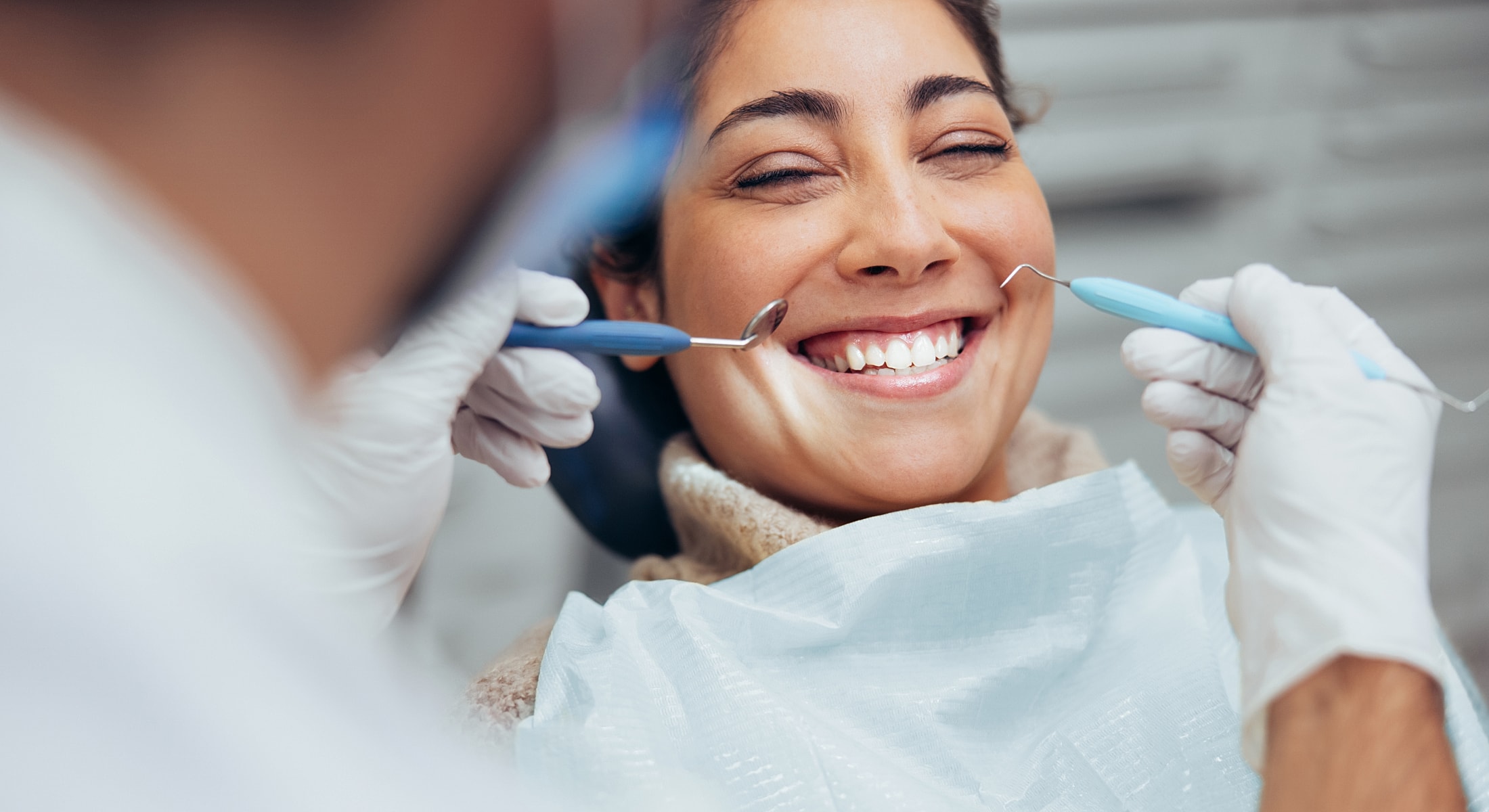
When everyday dentistry no longer feels like “enough” for what your mouth needs, dental rehabilitation offers a more complete solution. Instead of looking at a single tooth or single problem, we step back and study how your teeth, bite, jaw joints, airway, facial structures, and muscles all work together. This allows us to design treatment that restores comfortable chewing, balanced function, and a smile that looks naturally at home on your face.
If you are living with worn, broken, or missing teeth, or you feel overwhelmed by how much dentistry you have been told you need, you are not alone. Dental rehabilitation in Paramus, NJ is a thoughtful, stepwise process that meets you where you are today and creates a plan for where you would like to be. The goal is a stable, healthy foundation that supports your overall well-being, not just a quick fix for one area.
Functional esthetic dental rehabilitation looks beyond surface-level cosmetics to the underlying system that supports your smile. During planning, we carefully evaluate how your upper and lower teeth meet, how your jaw joints move, how your muscles perform during chewing, and how your airway and facial structures support healthy breathing. The appearance of your teeth is designed within this framework so that beauty and comfort work together instead of competing.
By prioritizing structures that are sound, functionally efficient, and biologically stable, we aim to reduce the risk of future breakdown and help you avoid the cycle of patchwork repairs. This comprehensive approach supports systemic health, helps protect facial integrity as you age, and allows you to enjoy confident chewing, clear speech, and a refined, natural-looking smile that suits your features over time.

Comprehensive dental rehabilitation is designed to do more than “fix teeth.” It coordinates the health of your teeth, gums, bite, jaw joints, and airway so you can chew comfortably, speak clearly, and smile with confidence. Treatment is tailored to your specific needs and can be phased over time to support long-term stability.
By reshaping and rebuilding teeth within a balanced bite, dental rehabilitation can help reduce strain on your jaw joints and muscles. Many patients find it easier to chew a wider variety of foods, speak without worrying about their teeth, and enjoy a jaw position that feels more relaxed and natural in everyday life.
Functional esthetics means your smile is designed to fit your facial features, lip shape, and age, rather than following a one-size-fits-all template. Tooth size, shape, and color are selected to look refined yet authentic, so your restored teeth blend with your overall appearance instead of drawing attention as “dental work.”
When teeth do not meet evenly, your jaw joints and muscles can be forced to work harder, which may contribute to tension, fatigue, or uneven wear. Rehabilitation focuses on a more stable, efficient bite relationship so the muscles that support your jaw and face can function in a coordinated, less stressful way.
By distributing biting forces more evenly and rebuilding damaged areas in a thoughtful way, dental rehabilitation can help protect remaining tooth structure and support gum and bone health. The goal is a system that is easier to maintain with daily home care and routine visits, helping your investment in your smile last as long as possible.
You may be a good candidate for dental rehabilitation if you are living with multiple worn, cracked, or broken teeth, several missing teeth, or older dental work that no longer feels secure. Some people notice that their teeth seem to be shortening over time, that their bite feels “off,” or that they avoid certain foods because chewing has become uncomfortable or unreliable.
During a comprehensive evaluation, we look closely at your teeth, gums, bite, airway, and facial support before recommending any treatment. No two plans are exactly the same. Instead, we listen to your concerns, study detailed records, and then outline options that match your health, goals, and pace. If you recognize yourself in any of these situations, a consultation can help you understand whether dental rehabilitation is appropriate for you and what a personalized path forward might look like.

The way your upper and lower teeth come together affects how your jaw joints move and how your muscles work during chewing and speaking. In rehabilitation planning, we carefully study this relationship so we can design a bite that distributes forces evenly and supports comfortable movement. A more stable bite can help reduce unnecessary wear and make your restored teeth feel like a natural part of your everyday function.

Each restored tooth is designed with a specific role in mind: some are built to cut food, others to crush or guide your bite. We consider the size, shape, and contact points of your teeth so they work together as a coordinated team. At the same time, we attend to color, translucency, and proportion so the final result looks refined and natural when you smile, laugh, or speak.

Healthy gums and supporting bone are essential for long-lasting restorations. As part of your rehabilitation plan, we assess the health of these tissues and recommend steps to address inflammation or infection where needed. A clean, stable foundation helps restorations fit more precisely, feel better, and remain easier to care for over time.

Your teeth and jaws influence the position of your tongue and the space available for airflow. As we plan dental rehabilitation, we remain mindful of how changes to your bite and facial support may affect your airway. The aim is to create a functional arrangement of teeth and jaws that works in harmony with healthy breathing patterns and contributes positively to your overall well-being.

Comprehensive dental rehabilitation is best approached in structured stages so you always know where you are in the process. It often begins with a detailed examination, photographs, scans, and models to understand how your current bite, teeth, and facial structures work together. From there, findings are studied and a proposed plan is created that outlines priorities, timing, and how different parts of your mouth will be addressed.
Many patients benefit from a provisional or “trial” phase where temporary restorations are used to test changes in function and esthetics in real life before final work is completed. Once these adjustments feel right, more definitive restorative care is provided in a paced, comfortable way. Regular follow-up and maintenance visits then help protect your new smile and allow for small refinements as needed, so your results remain as stable and predictable as possible.
Thoughtful rehabilitation planning is guided by respect for your natural anatomy. Whenever appropriate, we focus on preserving healthy tooth structure, supporting gum and bone health, and choosing restorative designs that work with your jaw joints and muscles instead of against them. This careful attention helps reduce unexpected complications and supports a more predictable, comfortable outcome.
From thorough diagnosis to the selection of modern materials, each step is taken with your comfort and long-term stability in mind. Appointments are structured to give you time to ask questions, understand your options, and move forward only when you feel ready. The aim is a result that feels good now and continues to support your everyday life for years to come.

Because dental rehabilitation is tailored to your needs, timelines vary, but treatment is usually completed over a series of visits. Some phases may be clustered more closely together, while others are spaced out to allow for healing, adjustment, or coordination with your schedule. After individual appointments, it is common to experience temporary changes such as mild sensitivity, awareness of new tooth shapes, or an adjustment period as your muscles adapt.
As your care progresses, we check in regularly, refine your bite as needed, and review how your new restorations feel in everyday life. When active treatment is complete, routine maintenance visits and consistent home care are key to protecting your investment. Periodic evaluations of your bite, restorations, and supportive tissues help catch small changes early so you can continue enjoying comfortable function and a confident smile.

Because dental rehabilitation is highly individualized, fees are based on your specific situation, including how many teeth are involved, the degree of wear or damage, and the types of restorative solutions that best support your function and esthetics. After your evaluation, you will receive a personalized treatment plan with itemized recommendations so you can clearly see what is included at each stage.
Whenever possible, treatment can be phased to align with your health priorities, schedule, and budget. Our team can help you understand how your dental benefits may apply and what your estimated out-of-pocket investment could be, while avoiding promises about coverage. The goal is to provide transparent information and collaborate with you on a plan that feels realistic and manageable.
Functional esthetic dental rehabilitation brings together science, precision, and artistry to create a coordinated plan for your bite, smile, and long-term oral health. If you are tired of patchwork fixes or worried about the future of your teeth, a comprehensive evaluation can help you understand your options and what is realistically possible for your situation.
We welcome patients from Paramus and surrounding communities who are ready to explore a more stable, comfortable, and natural-looking solution. If you have questions about where to start or what dental rehabilitation might look like for you, we invite you to reach out and schedule a consultation so we can talk through your goals, concerns, and next steps together.
Dental rehabilitation is a comprehensive approach that looks at your mouth as an interconnected system rather than a collection of individual teeth. Instead of addressing problems one by one, we evaluate how your teeth, bite, jaw joints, muscles, airway, and facial structures work together. The goal is to restore comfortable function, esthetics, and long-term stability across your whole mouth. Routine dentistry may focus on isolated concerns, like a single cavity, while rehabilitation coordinates multiple needs into a unified, long-range plan.
The timeline depends on how many areas need to be addressed and whether treatment is phased for your comfort or schedule. Some patients complete their rehabilitation in a few months, while others move through stages over a longer period. After your evaluation and planning, we will outline an estimated sequence of visits so you know what to expect. Whenever appropriate, treatment can be paced so you feel supported both clinically and logistically.
Most patients are surprised by how manageable the process feels. Comfort is a priority at every step, and appointments are planned with this in mind. You may experience temporary sensations such as mild soreness or sensitivity after certain visits, similar to other dental procedures, but these are typically short-lived and can often be managed with simple measures at home. We will review what to expect before each stage and how to stay comfortable as you heal and adapt.
A cosmetic smile makeover usually focuses primarily on appearance, such as tooth color and shape. Dental rehabilitation includes esthetics but places equal emphasis on the underlying function of your bite, jaw joints, muscles, airway, and supporting structures. The aim is to create a smile that not only looks natural and refined but also works efficiently and feels comfortable in everyday life. In many cases, cosmetic improvements are a natural result of rebuilding a healthy, well-functioning system.
With consistent home care, regular professional maintenance, and a stable bite, the results of dental rehabilitation can be long-lasting. Factors such as grinding, clenching, changes in general health, and routine wear can influence how restorations age over time. Periodic evaluations allow us to monitor your bite, restorations, and supporting tissues so small adjustments can be made early if needed, helping protect your investment for as long as possible.
After your comprehensive evaluation, you will receive a detailed treatment plan that outlines recommended phases, associated fees, and the sequence of visits. Because every plan is unique, exact costs vary from person to person. Our team can help you understand how your dental benefits may contribute and what your estimated out-of-pocket portion might be, while avoiding guarantees about coverage. We are happy to discuss pacing and options so your plan aligns with your financial comfort level.


(201) 261-7645
Mon & Wed: 8 AM - 5 PM
Tues & Thurs: 10 AM - 6 PM
Friday: 9 AM - 3 PM
First Saturday of Month: 8 AM - 1 PM


