
Musculoskeltal Evaluation
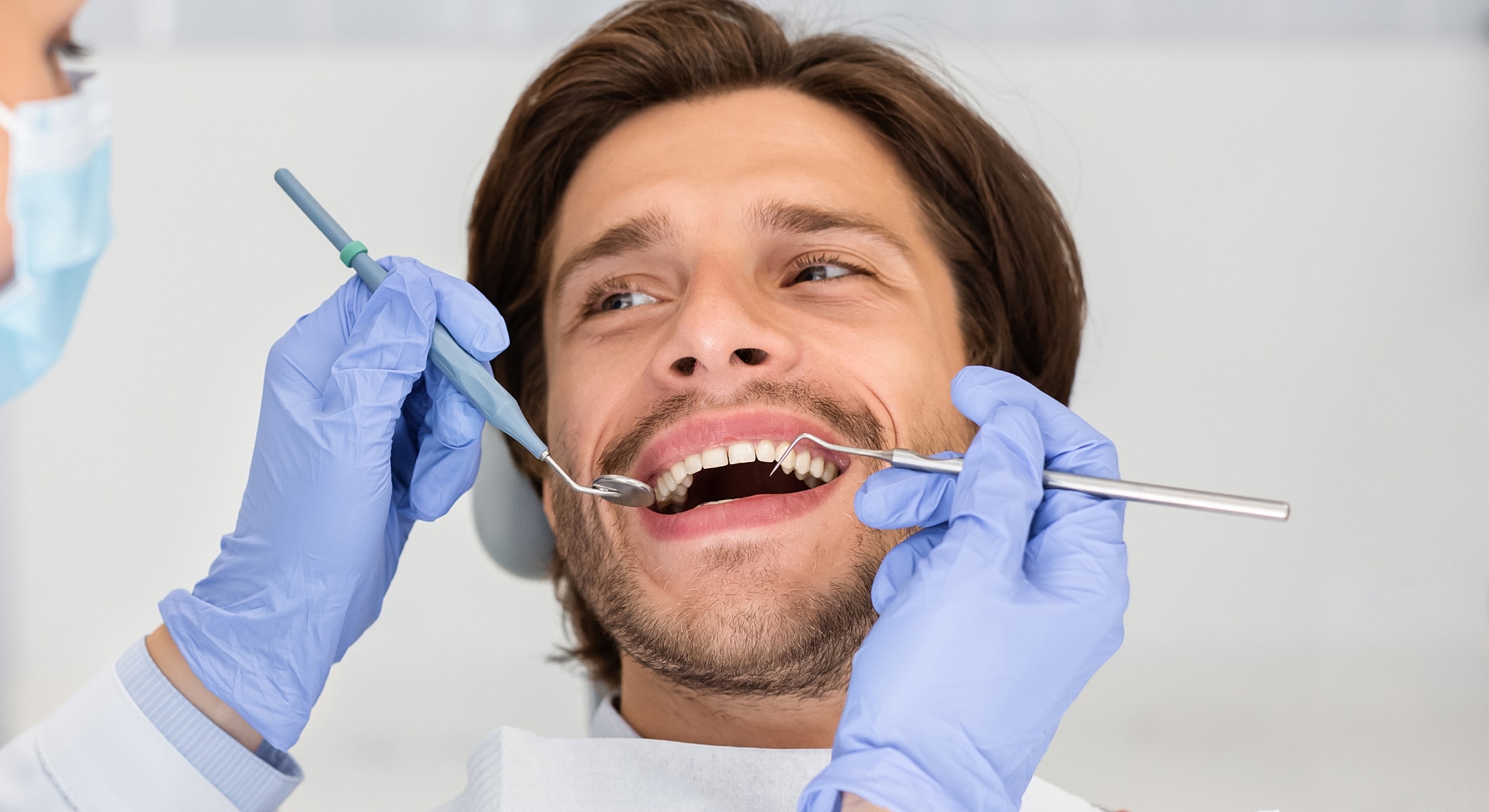
A musculoskeletal evaluation is a thoughtful, in-depth visit that looks beyond your teeth to the joints, muscles, posture, and airway that shape how your entire system works. In our Paramus, NJ practice, we use this appointment to understand how your oral cavity, facial structures, and breathing patterns work together so we can support comfort, function, and esthetics over time.
During your visit, we take our time. You can expect a calm, conversational experience where we listen to your concerns, gently assess your bite and jaw joints, and observe how your muscles and neuromuscular patterns are working day to day. Our goal is to identify how your current function may be influencing symptoms such as tension, discomfort, or changes in your facial balance, and to use that information to guide structurally sound, biologically stable care. If you are curious whether your bite, jaw, or airway may be affecting how you feel, we invite you to schedule a consultation and explore your options at your own pace.
During a musculoskeletal evaluation, we look at the full system that supports your bite and facial structures, not just individual teeth. We start by reviewing your medical and dental history, including any past orthodontic or restorative work, injuries, or patterns such as clenching, grinding, or mouth breathing. This context helps us understand how your current concerns developed over time.
The clinical portion of the visit may include a detailed bite analysis, gentle TMJ assessment, evaluation of facial symmetry, and palpation of the muscles around your jaw, face, neck, and shoulders. We also observe posture and screen airway and breathing patterns to see how they relate to your oral and facial structures. Looking at all of these elements together allows us to identify patterns that can affect comfort, chewing efficiency, and esthetics long term, while keeping the experience relaxed, informative, and as comfortable as possible.


When we look beyond the teeth to your muscles, joints, airway, and neuromuscular patterns, we gain a clearer picture of how your system is working as a whole. This allows us to plan care that is functionally efficient, structurally sound, and esthetically mindful, helping you feel better now while protecting your facial integrity and airway over time.
By assessing your bite, jaw joints, muscles, and posture together, we can often detect early signs of imbalance before they progress. This may include subtle shifts in your bite, increased muscle activity, or compensations in how you hold your jaw or head. Identifying these patterns early allows us to discuss gentle, proactive strategies to support comfort and stability over time.
The evaluation helps us understand how your joints, ligaments, and muscles are working together whenever you speak, chew, or rest. If you are experiencing clicking, popping, or discomfort around your jaw, this visit can clarify whether those symptoms are related to the way your bite loads your TMJ, how your muscles are engaging, or other contributing factors.
Many patients come to us wondering whether their headaches, facial tightness, or a bite that simply feels “off” could be connected to their jaw and muscle function. A musculoskeletal evaluation provides a structured way to explore those connections, so you can better understand what is happening and what types of care may or may not be helpful for you.
Your muscles, bite, and airway all influence how your face develops and ages. By evaluating these systems together, we can consider how today’s function may impact your facial balance, profile, and breathing patterns in the future. This perspective informs treatment planning that seeks to support long-term facial integrity, efficient breathing, and sustainable oral health.
A musculoskeletal evaluation can be helpful for many people who sense that something is not quite right with their bite, jaw, or facial comfort. This may include jaw discomfort or clicking, facial or neck muscle tension, or a feeling that your teeth no longer meet the way they used to. It is also useful if you have had orthodontic or restorative work, yet still feel that your bite or jaw position is not fully comfortable or stable.
Patients also seek this evaluation when they notice changes in facial balance or profile, or when they or a loved one exhibit airway-related patterns such as mouth breathing, snoring, or restless sleep that may need further evaluation. The appointment is a first step in understanding what your body is telling you, not a commitment to any particular treatment. Together, we review the findings, discuss your goals, and outline personalized, collaborative options if further care is recommended.

If you live with jaw soreness, clicking, popping, or a feeling of tightness when you speak or chew, a musculoskeletal evaluation can help clarify what is driving those sensations. By examining your joints, muscles, bite, and posture together, we look for patterns that may be overloading your TMJ or asking certain muscles to work too hard. From there, we can discuss gentle next steps to support more comfortable, stable function.

When your bite does not feel even, certain teeth take too much force, or chewing feels awkward, it can be a sign that the underlying mechanics of your system need a closer look. During your evaluation, we assess how your teeth come together, how your muscles coordinate, and how your jaw moves in real life, helping you understand why things feel off and what types of solutions might be considered.
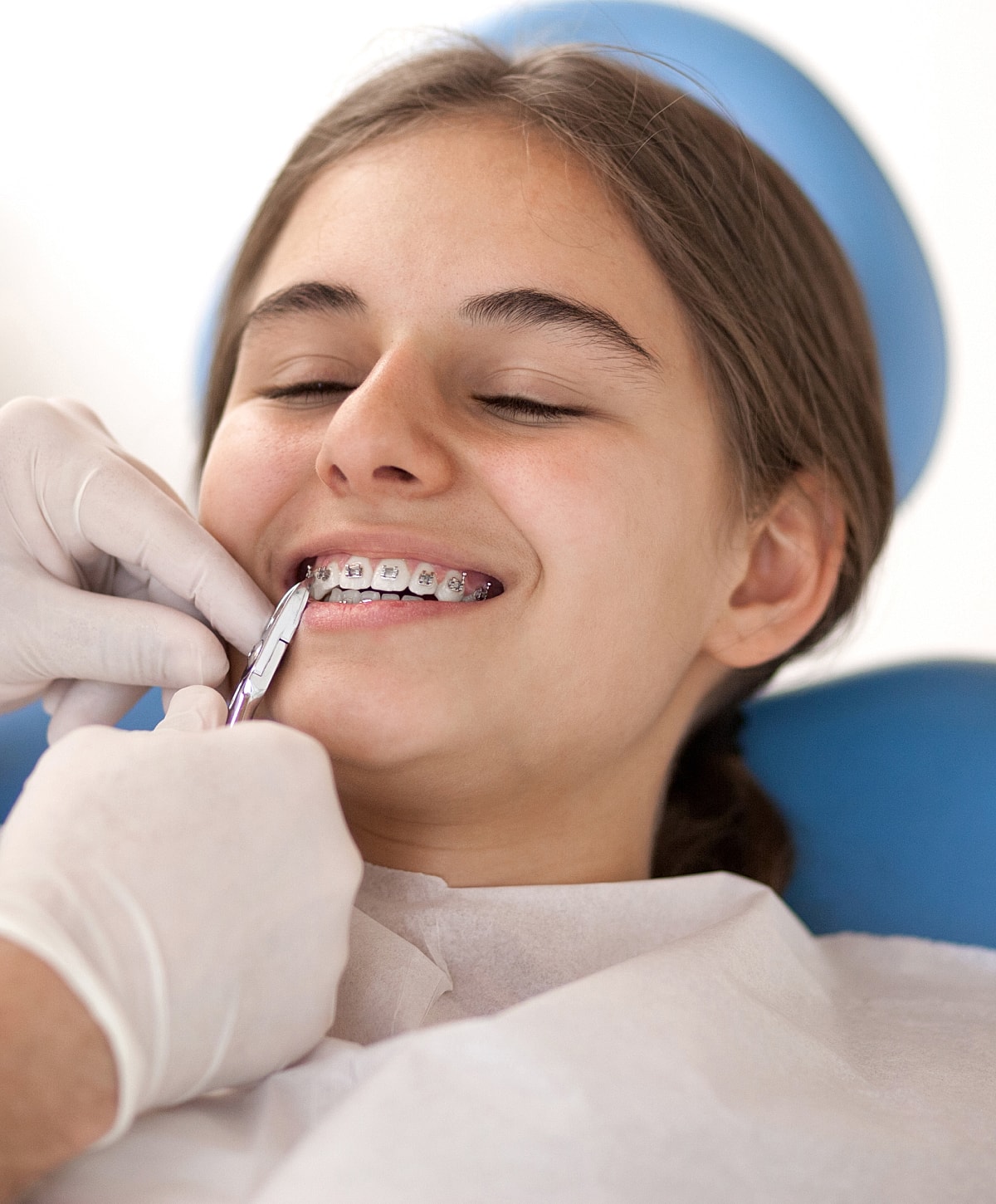
If you are noticing changes in your smile, profile, or facial balance, it is natural to wonder how your bite and muscles may be involved. We look at how your jaws, teeth, and muscles support your facial structures so we can connect esthetic changes to underlying function where appropriate. This helps inform treatment planning that respects both appearance and long-term structural stability.
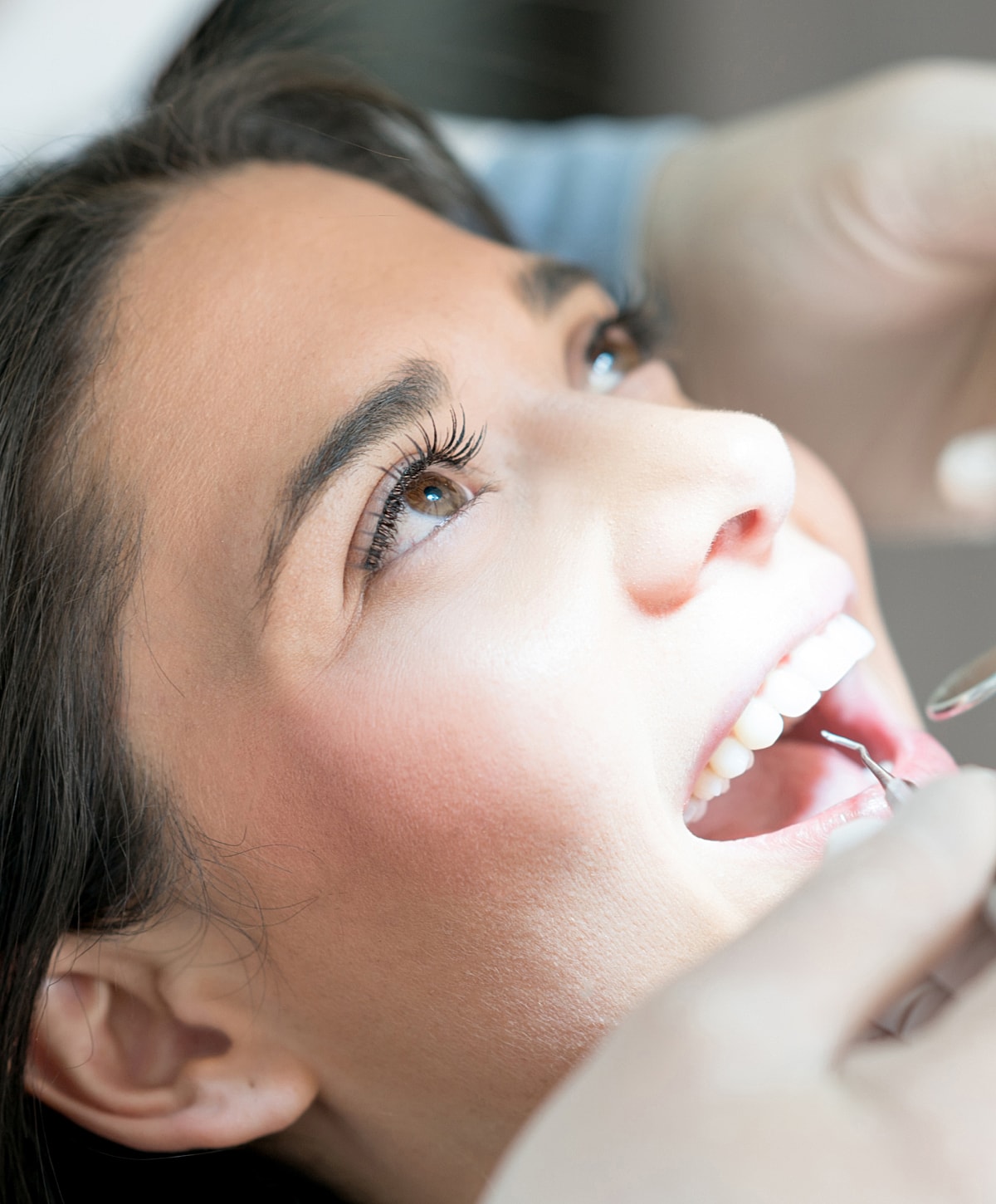
Patterns such as mouth breathing, snoring, or feeling unrested can sometimes be related to how the jaws, tongue, and airway are working together. As part of the evaluation, we screen your airway and breathing in the context of your oral and facial structures. When appropriate, we can coordinate with other healthcare providers so that any follow-up care you choose is aligned and whole-person focused.

Your visit begins with a conversation. We ask about your goals, symptoms, and any changes you have noticed in your bite, comfort, or facial appearance. You will have space to share your story in your own words, and we will explain how a musculoskeletal evaluation can help us better understand what you are experiencing.
From there, we perform gentle exams and measurements, and may recommend records or imaging if they will add meaningful insight. After we gather the necessary information, we review the findings together in clear, everyday language. You will learn what we see, how the different pieces fit together, and what options exist moving forward. Recommendations are presented as choices, not pressure, with the shared goal of supporting long-term function, esthetics, and stability that feel right for you.


Functional esthetics means that we care about how your smile looks and how your system works beneath the surface. A musculoskeletal evaluation helps us understand how your muscles, joints, and neuromuscular patterns are influencing your bite, posture, and facial structures. With this information, we can approach esthetic and restorative planning in a way that respects your body’s natural balance.
An imbalanced bite or overworked muscle group can, over time, affect facial appearance, the way you hold your head and neck, and even how efficiently you breathe. By integrating findings from your evaluation into treatment planning, we aim to create solutions that are structurally sound, functionally efficient, and biologically stable. This whole-face, airway-aware perspective is designed to support your comfort, confidence, and facial integrity for the long term.

A musculoskeletal evaluation is noninvasive and focused on understanding, not rushing into procedures. The exams are gentle, and we move at a pace that respects your comfort level, explaining what we are doing along the way. If at any point you have questions or need a break, we pause and address your concerns.
After the evaluation, we interpret your findings in the context of your airway, bite, facial esthetics, and overall health history. When helpful, we may suggest collaborating with other providers so your care remains aligned and whole-person focused. You will receive transparent, easy-to-understand recommendations, and you are always invited to consider your options and proceed only when you feel ready.
Patients in Paramus and the surrounding communities choose our practice for a musculoskeletal evaluation because we look at the full picture. We focus on outcomes that are structurally sound, functionally efficient, and biologically stable, taking into account your oral cavity, facial structures, airway, musculature, and neuromuscular patterns when we plan care.
Whether you are experiencing specific symptoms or simply want a clearer understanding of how your bite and jaw are functioning, this evaluation can be a valuable first step. We welcome individuals and families from across the area who are seeking a calm, collaborative environment and a long-term, whole-person approach to oral health. If you are ready to explore what might be behind your concerns, we invite you to schedule a consultation and begin a thoughtful conversation about your next steps.
A musculoskeletal evaluation is a focused assessment of how your jaws, joints, muscles, bite, posture, and airway work together as a system. While a regular dental exam primarily looks at your teeth and gums for cavities or gum disease, this evaluation looks at the structures that support how you chew, speak, rest, and breathe. By combining findings from your bite, TMJ, muscles, and facial structures, we gain insight into patterns that can affect comfort, function, and esthetics over time.
The evaluation is designed to be gentle and comfortable. Most of what we do involves observing movement, feeling muscles with light pressure, and asking you to open, close, or move your jaw in certain ways. If an area is already tender, we approach it carefully and adjust as needed. Our goal is to learn from your body without provoking symptoms, and we encourage you to speak up at any time so we can keep the experience as easy as possible.
Because this visit is detailed and conversation-based, it typically takes longer than a quick dental checkup. The exact timing can vary depending on your history and concerns, but we set aside enough time to listen, examine thoroughly, and review initial impressions with you. We want you to leave feeling informed rather than rushed, with a clear understanding of what we observed and possible next steps.
Many people schedule a musculoskeletal evaluation because of symptoms such as jaw discomfort, facial tension, headaches, or a bite that does not feel even. While every situation is unique, assessing your joints, muscles, bite, posture, and airway together can often clarify whether your jaw system may be contributing to these concerns. We then discuss what that might mean for you and what types of care could be considered, if any.
Yes. Understanding how your jaw joints, muscles, and neuromuscular patterns are functioning can be very helpful before making changes with orthodontics, veneers, crowns, or other restorative work. The insights from this evaluation can inform planning so that esthetic or structural changes align with your body’s natural mechanics, supporting more comfortable, stable results over time.
A musculoskeletal perspective can be valuable across many ages. For growing children and teens, it can shed light on airway patterns, facial development, and bite changes. For adults, it can help explain long-standing symptoms or shifts in comfort and esthetics. During an initial conversation, we can help determine whether this specific evaluation is right for you or your child and how it might fit into a broader care plan.
After reviewing your findings together, we outline potential options that align with your goals, comfort level, and overall health. In some cases, we may suggest simple at-home strategies or monitoring; in others, we might discuss dental, orthopedic, or airway-focused approaches, sometimes in collaboration with other healthcare providers. There is no obligation to commit to treatment at the evaluation. Our role is to provide clarity, guidance, and a thoughtful roadmap so you can decide what feels right for you.